
Call us now :08071930363
 Send Inquiry
 Send Inquiry
Air Pollution Control Equipment: Zero-Emissions
MOQ : 1 Unit
Air Pollution Control Equipment: Zero-Emissions Specification
- Instruments Type
- Gas Analyzer, Flow Meter
- Efficiency
- Up to 99.9%
- Display Type
- Digital
- Temperature
- Ambient to 80C
- Power Source
- Electric
- Usage & Applications
- Industrial, Chemical Plants, Pharmaceuticals, Foundries
- Sensor Type
- Gas, Particulate, Temperature
- Orientation
- Vertical / Horizontal
- Measurement
- Real-time Monitoring
- Automation Grade
- Semi-Automatic / Automatic
- Air Flow
- Variable, 500 to 10,000 m/h
- Scrubber Type
- Wet Scrubber / Dry Scrubber
- Product Type
- Zero-Emissions Air Pollution Control Equipment
- Material
- Mild Steel / Stainless Steel
- Cooling System
- Water / Air Cooling
- Noise Level
- Below 70 dB
- Reactor Thickness
- 5-10 mm
- Processing Time
- Continuous Operation
- Capacity
- 500 m/h to 10,000 m/h
- Voltage
- 220-440 V
- Weight
- 800-2500 kg (depending on model)
- Dimension (L*W*H)
- Customized (As per requirement)
- Surface
- Anti-Corrosive Coating
- Emission Level After Treatment
- Less Than 2 mg/Nm3
- Pre-Filtration
- Available
- Mounting Type
- Floor Mounted
- Installation
- On-Site Service Available
- Control Panel
- Digital/PLC based optional
- Corrosion Resistance
- Yes
- Fan Type
- Centrifugal Blower
- Inlet/Outlet Connection
- Flange Type
- Pressure Drop
- 30-50 mm of H2O
- Filter Media
- PP/PVC/Packed Bed
Air Pollution Control Equipment: Zero-Emissions Trade Information
- Minimum Order Quantity
- 1 Unit
- Packaging Details
- Export Worthy Packaging
- Main Domestic Market
- All India
- Certifications
- ISO
About Air Pollution Control Equipment: Zero-Emissions
We provide comprehensive Air Pollution Control Systems in the Industry for ensure Zero Emissions of pollutants.
Specification:-
- Dry type systems for pre-dominantly Particulate pollution
- Wet type systems for pre-dominantly gaseous pollution
- Hybrid systems for incidences where there is particulate as well as gaseous pollution
- Complete suction at source
- Provision of Primary as well as Secondary Air Pollution Control Systems as required in different applications
- Range of equipment offered Bag Filtration Systems, Wet Scrubbers, Cyclonic Separators, Chambers & Spark Arrestors, ID Fans etc.
Advanced Zero-Emission Performance
Designed for industrial efficiency, our control equipment utilizes a combination of centrifugal blower technology, real-time gas analyzers, and high-quality filter media to trap and neutralize harmful particulates. The optional digital or PLC-based control panel offers precise system management, ensuring optimum emission control and continuous regulatory compliance. With an efficiency rate of up to 99.9%, this unit excels at maintaining clean air standards.
Durable Construction and Versatile Mounting
Manufactured with robust mild steel or stainless steel, and protected by an anti-corrosive coating, this equipment withstands harsh industrial environments. The system can be adapted for either vertical or horizontal orientation and offers floor-mounted installation for stability. With customizable dimensions and capacities, it can be tailored to fit specific operational needs and site constraints.
Smart Monitoring and Easy Maintenance
Equipped with real-time monitoring instruments, including gas analyzers and flow meters, the air pollution control system provides instant feedback on operational performance. The design incorporates pre-filtration and packed bed components to extend life and facilitate maintenance. Digital display and alarm features enable immediate response to system alerts, minimizing downtime and maintenance requirements.
FAQs of Air Pollution Control Equipment: Zero-Emissions:
Q: How does this air pollution control equipment achieve zero-emissions?
A: The equipment uses advanced filtration methods, including wet or dry scrubber technology and PP/PVC packed bed filter media, to trap and neutralize pollutants. Centrifugal blowers ensure consistent airflow, while real-time monitoring and digital/PLC control panels help maintain emission levels below 2 mg/Nm, contributing to near zero-emission output.Q: What industries can benefit from installing this system?
A: This equipment is ideal for industrial environments such as chemical plants, pharmaceutical manufacturing, foundries, and other sectors where strict air quality management is required. Its robust design and adaptable features allow for effective pollution control across a range of applications.Q: When is on-site installation available and what does it include?
A: On-site installation is provided upon purchase and includes equipment setup, calibration of control panels and monitoring instruments, and initial operational training. Our team ensures the system is correctly integrated into your facility for optimal performance.Q: Where can the system be mounted, and does it support custom configurations?
A: The system is designed for floor mounting and can be installed in either vertical or horizontal orientation. Dimensions and capacities are customizable, allowing fitting into various facility layouts and meeting specific process requirements.Q: What is the typical maintenance process for this equipment?
A: Routine maintenance involves checking the pre-filtration units, inspecting filter media, and ensuring all sensors and monitoring instruments function correctly. The digital/PLC control interface provides alerts and diagnostics, aiding in preventive maintenance and minimizing unexpected downtime.Q: How does the system monitor and control air quality in real-time?
A: Integrated gas analyzers, flow meters, and temperature sensors continuously track pollution levels and operating conditions. The digital display and automation features allow operators to view real-time data and respond promptly, ensuring consistent compliance with emission standards.Q: What are the main benefits of using this air pollution control system?
A: Key benefits include high purification efficiency (up to 99.9%), low noise operation (below 70 dB), corrosion-resistant construction, customizable airflow, and digital automation. These features result in improved workplace safety, regulatory compliance, and reduced environmental impact.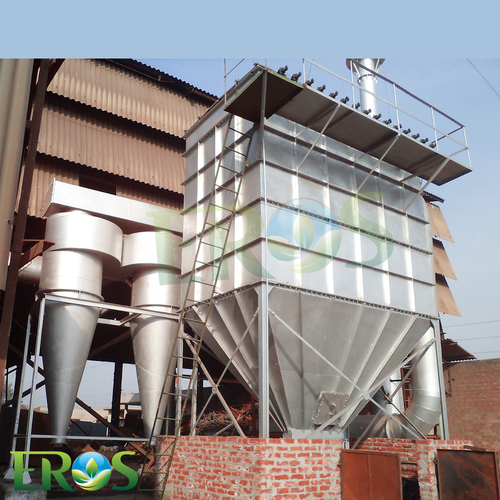
Tell us about your requirement

Price:
Quantity
Select Unit
- 50
- 100
- 200
- 250
- 500
- 1000+
Additional detail
Mobile number
Email

More Products in Air Pollution Control System Category
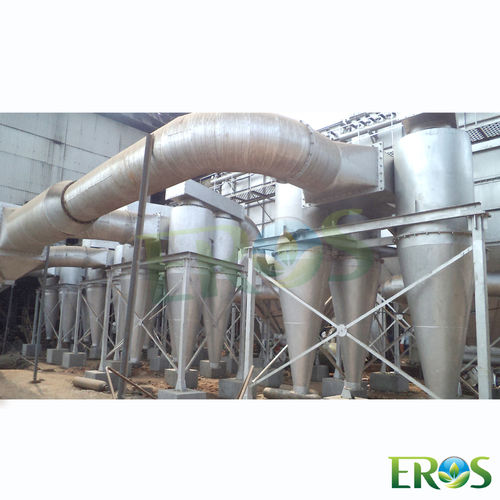
Air Pollution Control Dampers
Price 300000 INR / Unit
Minimum Order Quantity : 1 Unit
Product Type : Air Pollution Control Dampers
Material : MS
Voltage : 220440 Volt (v)
Cooling System : Air Cooling
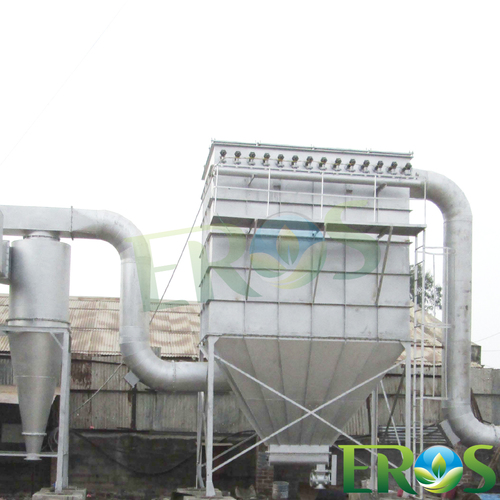
Tool Manufacturing Unit Air Pollution Control Equipment
Price 1500000 INR / Set
Minimum Order Quantity : 1 Set
Product Type : Air Pollution Control Equipmen
Material : MS
Voltage : 220440 Volt (v)
Cooling System : Air Cooling

Boilers Air Pollution Control Equipment
Price 500000 INR / Unit
Minimum Order Quantity : 1 Unit
Product Type : Air Pollution Control Equipment
Material : MS
Voltage : 220440 Volt (v)
Cooling System : Air Cooling
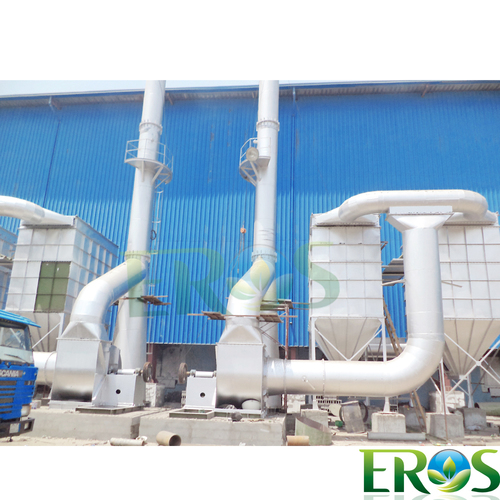
Sanitary Fitting Units Air Pollution Control Equipment
Price 900000 INR / Set
Minimum Order Quantity : 1 Set
Product Type : Sanitary Fitting Units Air Pollution Control Equipment
Material : Mild Steel
Voltage : 220440 Volt (v)

Registered Office:
EROS ENVIROTECH PRIVATE LTD
(Formerly Eros Consultant)
108-109, 1st Floor, Savitri Complex-1,
Dada Motors Building, Kalsi Nagar,
G.T. Road,
City - Ludhiana 141003
State - Punjab, Country - INDIA.
(Formerly Eros Consultant)
108-109, 1st Floor, Savitri Complex-1,
Dada Motors Building, Kalsi Nagar,
G.T. Road,
City - Ludhiana 141003
State - Punjab, Country - INDIA.
 Send Inquiry
Our Products


Sidwan Bet Road, Vpo Hambran, Ludhiana - 141003, Punjab, India

Mr Ashish Somani
(Director)
Mobile :08071930363
 Send Inquiry
 Send SMS
Developed and Managed by Infocom Network Private Limited.


